November 19, 2026
Caribbean Food Centennial: The Enduring Magic of Island Cuisine
By @andresvile372
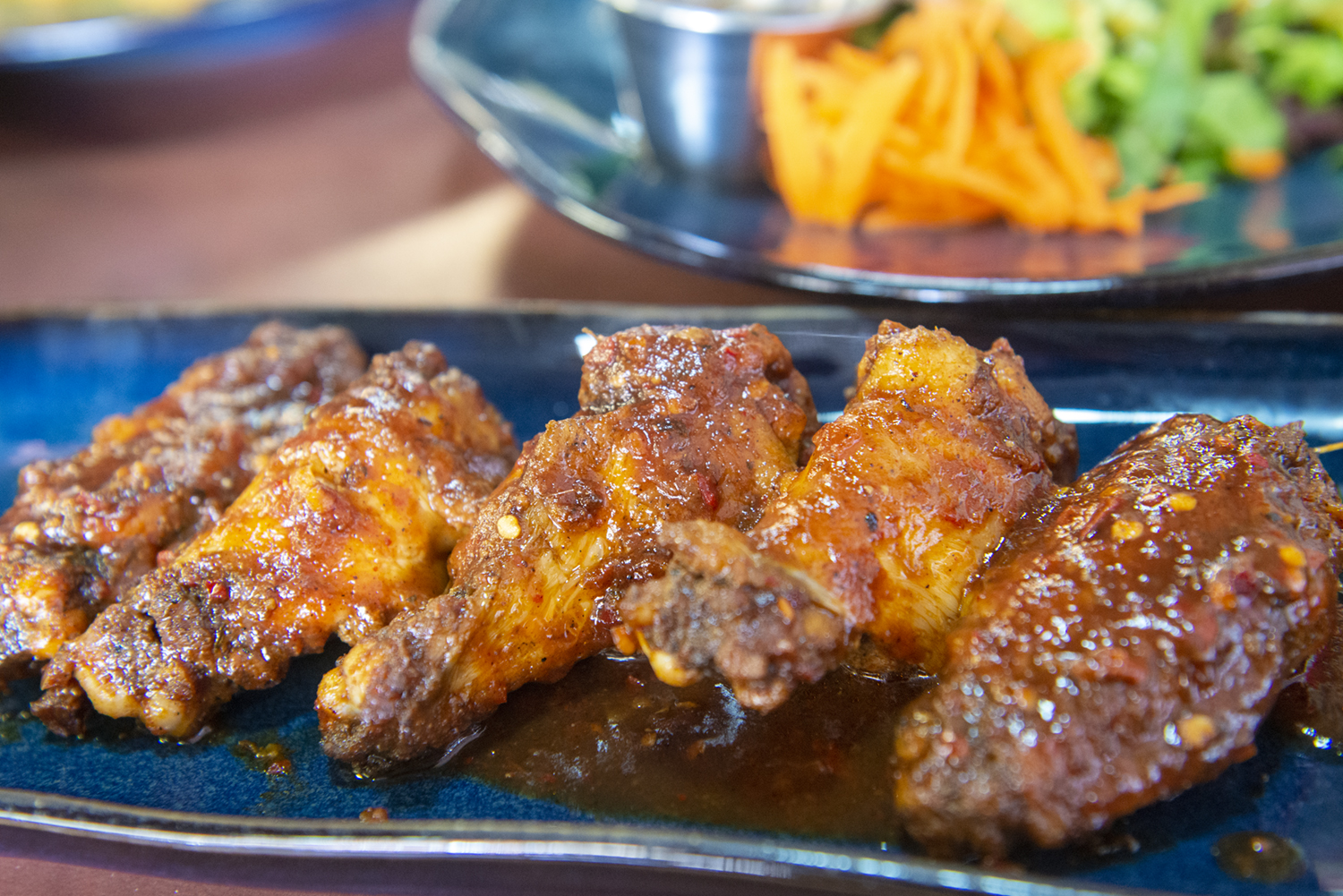
A hundred years is a useful span for judging a food culture. It is long enough to watch recipes survive migration, hurricanes, rationing, tourism booms, religious change, and shifting tastes. It is long enough to see what remains when fashion moves on. In the case of Caribbean cooking, that century view reveals something remarkable. Island cuisine has not endured by freezing itself in time. It has lasted because it knows how to absorb, adapt, and still taste unmistakably of home.
The phrase caribbean food centennial suggests a milestone, but the story reaches far beyond a single anniversary. Across Jamaica, Trinidad and Tobago, Barbados, Haiti, the Dominican Republic, Puerto Rico, Cuba, Saint Lucia, Grenada, and the wider archipelago, food has served as archive and argument. A pot of stew peas tells one version of history. A plate of pelau tells another. So does sancocho, callaloo, saltfish and bake, rice and peas, pepperpot, cou-cou, or a flaky beef patty wrapped in paper and eaten too quickly because the filling is still molten. These dishes are not museum pieces. They are living forms, carried by memory, adjusted by necessity, and judged at family tables with a seriousness outsiders often underestimate.
What makes Caribbean food so enduring is not just flavor, though flavor is where most people begin. It is the way technique, geography, and history meet in daily life. Smoke from pimento wood, green seasoning crushed in a blender or pounded by hand, cassava worked into bread, coconut milk stirred into rice, Scotch bonnet used with confidence rather than recklessness, all of it points to a practical intelligence built over generations. These foods were shaped by Indigenous knowledge, African survival, Indian indenture, European colonial systems, Chinese migration, Levantine trade, and local improvisation. On the islands, fusion is not a trend. It is biography.
The table remembers what the textbooks miss
If you spend time in Caribbean kitchens, you learn quickly that recipes often begin with a person, not a measurement. Someone says, “This is how my mother did it,” or “My grandfather always added that at the end.” The oral nature of the food matters. For much of the last century, many of the most important cooks were not writing for publication. They were feeding households, street customers, church gatherings, carnival bands, school events, funerals, weddings, and Sunday visitors who somehow always arrived just before the pot was ready.
That is why the emotional weight of island cuisine can surprise people who know it only from restaurant menus. A curry goat is not simply a curry goat. It may also be a wedding standard, a Sunday luxury, or a dish reserved for somebody important coming from abroad. A black cake is not just dessert. It can carry months of preparation, with fruit soaked in rum and wine long before the Christmas season starts. Even the more humble foods, fried plantains, boiled green bananas, cornmeal porridge, breadfruit roasted over coals, carry a record of thrift and skill.
For anyone looking at the Caribbean through the centennial lens, the home kitchen is the first serious archive. It preserves choices that formal history often smooths over. Why one island leans heavily on allspice and thyme while another centers culantro, annatto, or curry leaves. Why preserved fish became essential in one period and celebratory in another. Why some dishes are associated with fast days and others with feast days. Food stores all of this without needing footnotes.
A cuisine born from movement, pressure, and invention
The Caribbean never had the luxury of culinary purity. Every island bears the marks of forced movement and uneven power. Enslaved Africans carried agricultural knowledge, seasoning traditions, rice cultivation expertise, and methods of making something nourishing from little. Indigenous peoples contributed cassava processing, pepper use, grilling methods, and a detailed understanding of local plants and waters. European colonizers imposed plantation systems while also importing livestock, wheat, citrus, and preservation habits. Indentured laborers from India introduced spice blends, roti traditions, split pea preparations, and ways of treating vegetables that transformed local meals. Chinese and Middle Eastern migrants added techniques and ingredients that found their own place over time.
Yet the remarkable thing is not simply that influences arrived. It is that island cooks turned fragments into systems. They created flavor logics that make complete sense locally. Jamaican jerk, for instance, is not just a seasoning profile. It is a preservation strategy, a method of outdoor cooking, a relationship to smoke, and a social event. Trinidadian doubles are not merely street food. They are a brilliant answer to appetite, price, speed, and satisfaction. Dominican la bandera, Cuban arroz congri, or Bajan flying fish with cou-cou each show how starch, protein, and seasoning were balanced around what people could access and afford.
Across the last hundred years, these dishes changed with migration and economics. Kerosene stoves replaced some open fires. Refrigeration altered shopping habits. Imported flour gained ground in places where root crops once dominated more heavily. Tinned goods, powdered milk, and commercial seasonings entered the pantry. Some changes improved convenience. Others flattened flavor. Experienced cooks can tell the difference. They know when a modern shortcut saves time without real loss and when it weakens the character of the dish.
Spice is only part of the story
One of the most persistent misconceptions about Caribbean cooking is that it is defined mainly by heat. Spice matters, certainly, but reducing the region’s food to “spicy” misses its sophistication. The real hallmark is balance. Heat is often tempered by sweetness, smoke, acidity, starch, or fat. A pepper sauce should have personality, not just aggression. A good escovitch fish depends as much on vinegar, onion, carrot, and pimento as it does on chile. A proper stew earns depth from browning, herbs, stock, and time, not from capsaicin alone.
Texture matters just as much. Crisp edges on fried fish. The soft collapse of slow-cooked pigeon peas. The chew of cassava pone. The delicate resistance of fried bakes served hot enough to steam when broken open. Island cuisines understand that satisfaction lives in contrast. Coconut can round a dish, but so can lime sharpen it back to life. Char can intensify sweetness. Salt can wake up fruit. These are not random habits. They are the product of repeated cooking under real constraints.
When I think of the most memorable Caribbean meals, I rarely think first of fire. I think of aroma. Browning sugar for stew, the moment before it goes from caramel to bitter if you lose focus. Green seasoning hitting hot oil. A fresh grating of nutmeg in a kitchen that already smells of cinnamon and evaporated milk. Breadfruit blistering over an open flame. Those smells announce a cuisine with range and discipline.
The genius of the pantry
Part of the lasting power behind the caribbean food centennial idea is the region’s pantry intelligence. Caribbean cooks know how to build meals from ingredients that keep well, travel well, and stretch well. Salt cod, rice, peas, flour, coconut, cassava, cornmeal, onions, thyme, garlic, ginger, canned milk, and hot peppers can support an astonishing number of dishes. Fresh market produce, pumpkin, christophene, callaloo bush, okra, dasheen, yams, mangoes, guavas, sorrel, deepens the possibilities even further when seasons cooperate.
This pantry evolved from necessity. Islands have always managed the tension between abundance and vulnerability. A strong fishing day does not guarantee next week’s weather. Imported goods may arrive steadily for a period, then suddenly become expensive or scarce. Hurricanes can wipe out crops overnight. In that context, a resilient cuisine cannot depend only on luxury ingredients. It needs methods that honor what is available and still produce pleasure.
A few pantry principles explain why these foods travel so well across generations:
- Season aggressively at the start, because the base determines the finish.
- Rely on ingredients with long shelf life, then brighten them with fresh herbs, citrus, and peppers.
- Treat starch as a partner, not filler, whether rice, provisions, dumplings, roti, or bread.
- Cook for depth, often through browning, simmering, smoking, or resting.
- Build meals that scale, from a single lunch to a pot large enough for a crowd.
That scalable quality is one reason Caribbean food has remained central in diaspora communities. It can handle celebration and scarcity with equal dignity.
Sunday dinner, roadside grills, and the architecture of belonging
If there is one meal format that captures the emotional structure of Caribbean cooking, it is Sunday dinner. The details vary by island and family, but the pattern is familiar. Something substantial anchors the plate. Rice or provisions steady it. There may be stewed vegetables, macaroni pie, salad, fried plantain, or a rich gravy that insists on extra bread. People arrive in waves. Children hover near the kitchen. Music competes with conversation. Portions are large because hospitality is measured partly by the ease with which seconds are offered.
Sunday meals matter because they reveal the cuisine at full social strength. Not every famous Caribbean dish is elaborate, but many of the most beloved ones are communal. They reward patience. They improve with resting. They invite commentary. One aunt says the rice needs more coconut. Another argues that the chicken should have browned longer. Someone mentions how it was done twenty years ago. Nobody is neutral.
Roadside food offers another side of the same culture. Jerk stands in Jamaica, bake and shark stalls in Trinidad, fritay vendors in Haiti, cuchifrito counters in Puerto Rican neighborhoods, roti shops in Guyana and beyond, these places keep standards alive through repetition. Good street food teaches precision. There is nowhere to hide when your whole reputation depends on whether the fry is crisp, the dough is light, the pepper balance is right, and the meat has not dried out under heat lamps.
Restaurants matter, of course, especially in the growth of Caribbean cuisine abroad, but many of the most influential benchmarks still come from homes, small shops, church fundraisers, and family-run stalls. That is where taste memory gets enforced.
What changed over the last century, and what did not
Over a hundred years, Caribbean food has responded to tourism, migration, industrial food production, and changing labor patterns. Some of those changes are visible on the plate. More boneless meats. More imported wheat products. More restaurant plating designed for cameras. Greater availability of bottled marinades and pre-mixed spice packets. Larger influence from American fast food and global casual caribbean food centennial dining.
At the same time, the fundamentals have held. You still see long marination in many households. You still find cooks who insist on fresh thyme over dried, old crop yams over new, whole scallions over powdered substitutes, and hand-chopped seasoning over generic bottled blends. You still hear debates about whether a dish should be wetter, drier, darker, sweeter, hotter, or more smoky. That persistence matters. It proves the cuisine is not surviving merely as nostalgia. It is being actively defended.
Some losses are real. In several places, younger people cook less frequently than their grandparents did, and old methods can disappear quickly once they leave daily use. Certain local varieties of produce are harder to find. Freshly grated coconut has given way to cans or cartons in many kitchens for reasons that are understandable but not identical in flavor. Wood-fired cooking, once ordinary, now survives more often in specialty contexts. Fish stocks shift. Imported foods often undercut local agriculture on price.
Still, Caribbean food has a habit of refusing erasure. It bends without breaking. A child raised in Toronto, London, Brooklyn, or Miami may not cook exactly like a grandmother in Saint Ann, San Fernando, or Castries, but a flavor memory often pulls them back. Maybe it starts with sorrel at Christmas or patties after school. Then comes the desire to learn curry, stew, soup, or a proper rice dish that tastes like family, not a vague restaurant approximation. That is how culinary continuity works in real life. Not as perfect replication, but as return.
The diaspora did not dilute the cuisine, it expanded it
There is a tendency to talk about migration as if food inevitably weakens when it crosses water. Sometimes that happens. More often, the opposite is true. Diaspora communities preserve dishes with fierce intention precisely because food becomes a marker of identity in places where everything else is under pressure.
Walk through Caribbean neighborhoods in New York, Toronto, London, or South Florida and you find a powerful mix of continuity and invention. Bakers adjust to local flour. Butchers cut meat differently from what was available back home. Seasonal produce shifts. Scotch bonnet may compete with habanero depending on supply. Yet the food often gains new energy through adaptation. It also gains visibility. Many people first encountered roti, jerk chicken, oxtail, patties, or plantains not on an island but in a diaspora enclave where those foods became ambassadors.
This has not been a simple process. Commercial success can flatten regional distinction. Menus may reduce a vast food culture to a few exportable hits. “Caribbean” as a category sometimes obscures the differences between, say, Trinidadian, Haitian, Jamaican, Bajan, or Dominican traditions. A proper caribbean food centennial perspective should resist that flattening. The region shares patterns, but its cuisines are not interchangeable.
A useful way to understand the diaspora is to see it as a second shoreline. Recipes land there, settle in, and continue their evolution. In some cases, dishes that became rare at home are maintained more carefully abroad because communities organize around them. In other cases, the islands remain the source of authority, especially for ingredients and techniques tied tightly to place. Both dynamics can be true at once.
Why authenticity is a tricky word in island cooking
Authenticity sounds straightforward until you stand in an actual Caribbean kitchen. Is the authentic version the oldest documented one, the one your family makes, the one sold on a particular island today, or the one that best reflects local ingredients? The answer depends on the dish. That is why the most knowledgeable cooks tend to speak in specifics rather than slogans.
A few practical realities complicate the conversation:
| Tension | What it looks like in real kitchens | |---|---| | ingredient availability | A cook abroad substitutes close equivalents and still produces a recognizably faithful dish. | | family variation | Two households on the same street may defend different methods with equal conviction. | | technique versus ingredient | Some dishes depend more on process than on exact components. Others do not tolerate substitution well. | | festival food versus daily food | What is served at Carnival, Christmas, or Easter may not represent ordinary home cooking. | | restaurant adaptation | Commercial kitchens often simplify labor-intensive methods to meet demand. |
The best cooks I have known do not chase authenticity as a rigid badge. They chase integrity. They ask whether a dish still carries the structure, flavor logic, and intention that make it itself. That is a more demanding standard than simple nostalgia.
The future is being cooked now
The next century of Caribbean food will not be decided only by celebrity chefs, though some are doing meaningful work. It will be shaped by farmers keeping local varieties alive, fishers navigating ecological strain, market vendors maintaining ingredient literacy, grandparents teaching grandchildren how to season by smell, and younger cooks deciding which traditions deserve strict preservation and which can be reimagined.
There is exciting work happening across the region and its diaspora. Bakers are reviving cassava and breadfruit flours. Chefs are giving serious attention to underused local produce rather than defaulting to imported luxury ingredients. Historians and home cooks are documenting family recipes before they disappear. More people are naming the African, Indigenous, and Indian foundations of dishes that were once described too vaguely. That naming matters. It clarifies lineage and honors labor.
The challenge, as always, is balance. Preservation without stiffness. Innovation without gimmick. Pride without simplification. Caribbean cuisine has always been strongest when it trusts its own internal logic. It does not need to imitate European fine dining to prove worth, nor does it need to remain frozen in grandmother time to remain real.
What gives island food its enduring magic is not romance alone. It is competence under pressure, generosity without excess, and flavor built from understanding rather than trend. The meals that last are the ones grounded in land, sea, memory, and technique. They taste vivid because they were earned.
For anyone celebrating a caribbean food centennial, the real achievement is not that these dishes survived a hundred difficult years. It is that they still feel alive at the table. They still invite argument, longing, appetite, and pride. They still smell like somebody cared enough to get them right. And in the end, that may be the strongest test any cuisine can pass.
Reggae Pot Jamaican Grill
Address: 7562 S University Blvd Unit C, Centennial, CO 80122
Phone: (303) 997-5623
FAQ About caribbean food centennial
What Jamaican dishes can I try in Centennial?
Reggae Pot Jamaican Grill serves Jamaican specialties such as jerk chicken, stewed oxtail, curry goat, and ackee and saltfish. Check the current menu for availability.
What is ackee and saltfish?
It is Jamaica’s national dish. The restaurant prepares ackee with salted cod, onions, thyme, tomatoes, garlic, black pepper, and pimento.
Can I order Jamaican food for pickup in Centennial?
Yes. Choose the Centennial location at 7562 S University Blvd Unit C when placing a takeout order.
❧