November 19, 2026
Caribbean Food Centennial Inspiration for Your Next Dinner Party
By @andresvile372
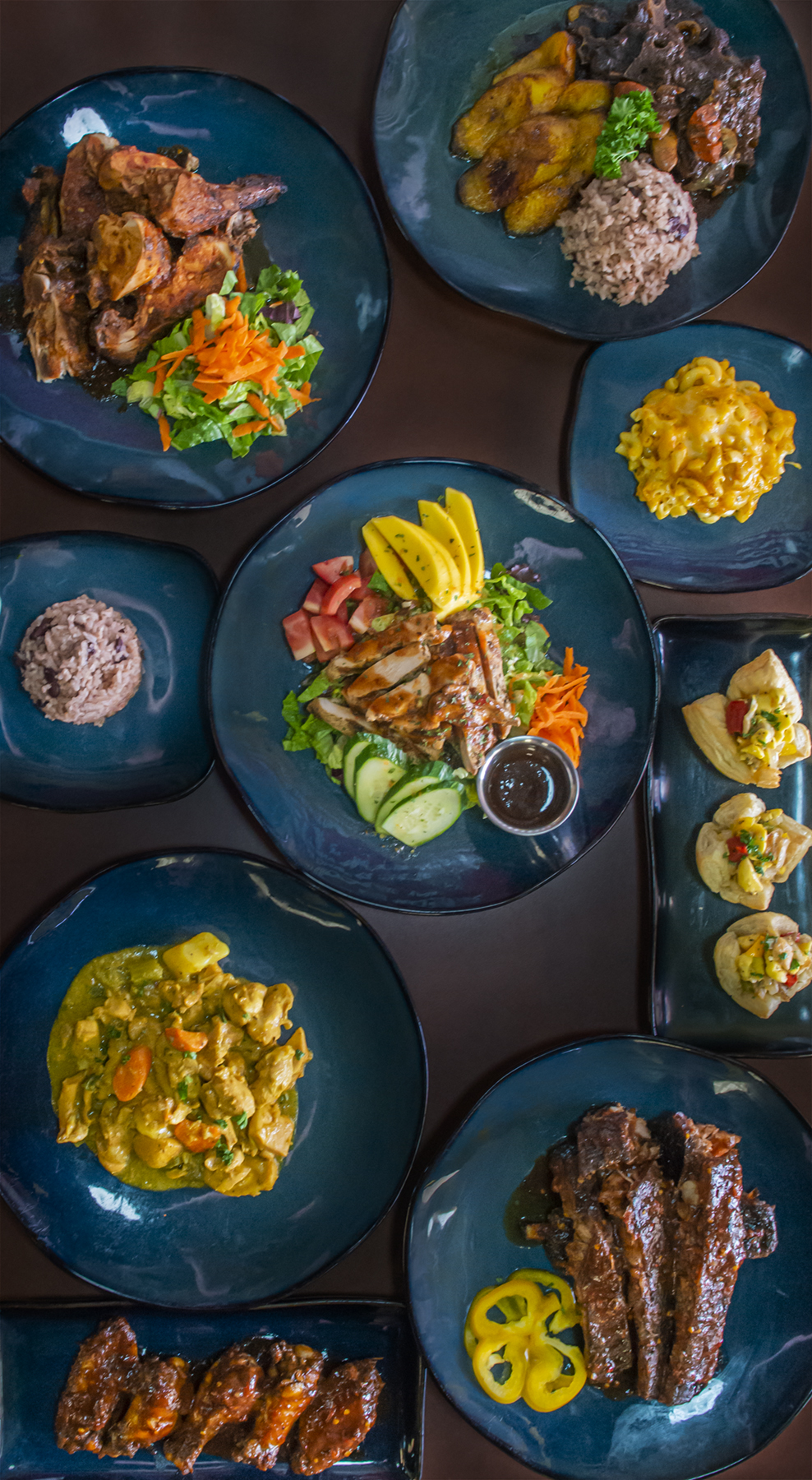
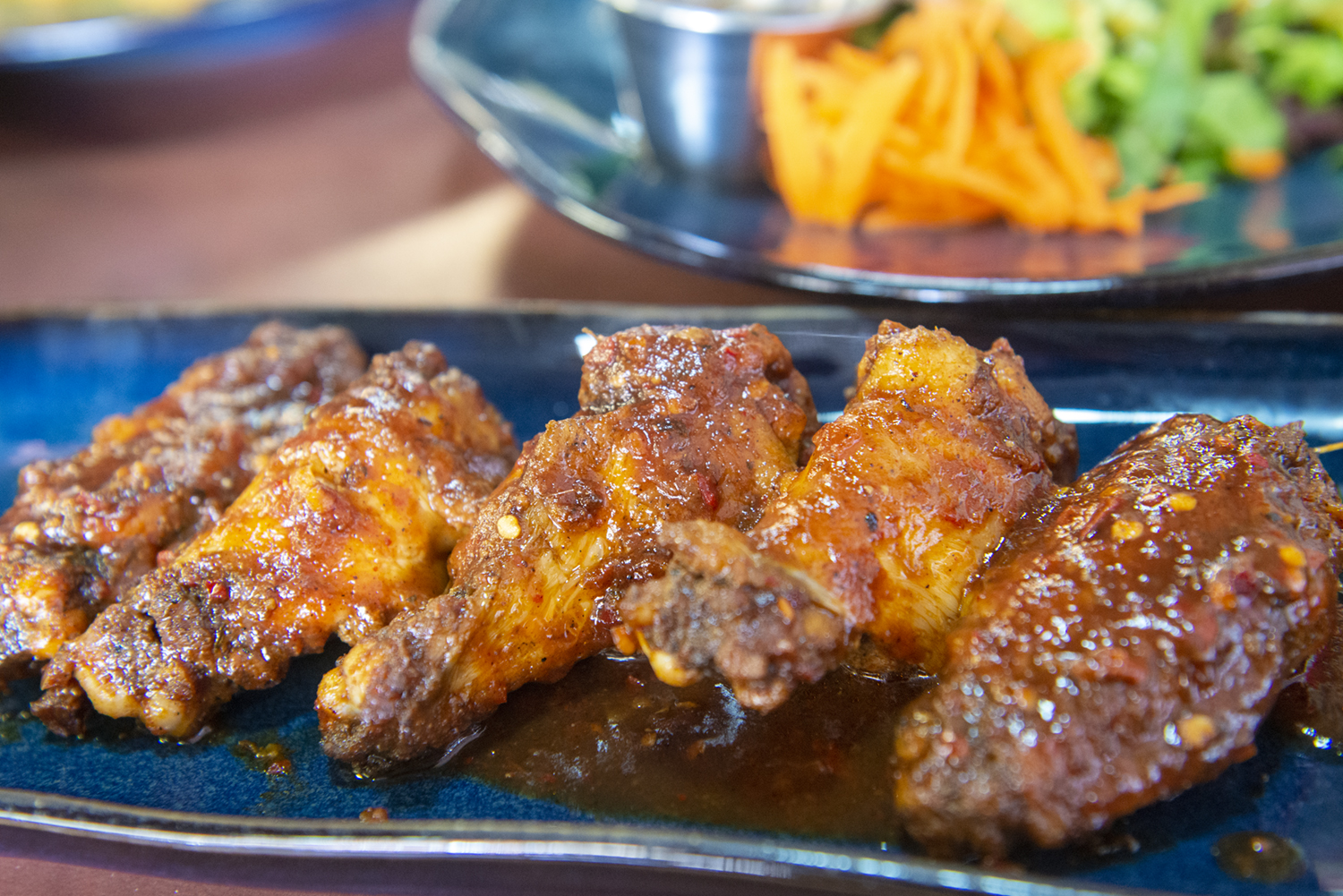
A memorable dinner party rarely starts with the menu alone. It starts with a point of view. That is why Caribbean food works so well for entertaining, especially when you want the evening to feel generous, warm, and a little celebratory. The region’s cooking carries history in every course, from Indigenous ingredients and African technique to European, Indian, Chinese, and Middle Eastern influences that settled into something unmistakably its own. If you are planning a gathering in Centennial and want a meal that feels lively without becoming fussy, Caribbean food offers exactly that balance.
I have found that guests respond to Caribbean cooking in a different way than they do to trendier dinner party menus. They relax faster. The table gets louder sooner. People pass bowls back and forth, ask what is in the sauce, and go back for another spoonful of rice without apology. A well-planned Caribbean meal creates that kind of ease because it is built around deep flavor, hospitality, and dishes that often improve when made ahead. That makes it a practical choice for hosts who want to spend time with guests rather than trapped at the stove.
For anyone searching for Caribbean food Centennial inspiration, the real opportunity is not to mimic a resort buffet or throw together a generic tropical theme. It is to design a dinner that respects the character of Caribbean cooking while making sense for your kitchen, your season, and your guest list.
Why Caribbean cooking shines at dinner parties
The first strength is range. Caribbean food can be bright and citrusy, slow-cooked and savory, fiery, sweet, or comfortingly mild, often all in the same meal. That gives you flexibility when feeding a mixed crowd. You can build a menu around jerk spices without making everything intensely hot. You can serve rich braised meats alongside crisp slaws and cooling sauces. You can make the evening feel festive without needing a dozen last-minute components.
The second strength is structure. Many classic Caribbean dishes are naturally suited to entertaining because they are cooked in batches and served family-style. Rice dishes hold well. Stewed meats often taste better after resting. Fried items can be tricky if you attempt them all at once, but patties, fritters, and plantains become very manageable with good prep. Even the condiments do a lot of work for you. A bowl of pikliz, a mango salsa, or a pepper sauce can wake up the entire table with almost no effort on the night itself.
The third strength is emotional. Caribbean meals tend to feel abundant. Not necessarily expensive, not overly elaborate, but abundant in color, aroma, and generosity. That is what guests remember. They may not recall the exact garnish on a main course, but they remember the smell of allspice and thyme when they walked in, the contrast of coconut rice with a spicy protein, and the platter of ripe fried plantains that disappeared in minutes.
Start with the spirit of the evening, not the recipe collection
Before choosing dishes, decide what kind of dinner party you actually want to host. A polished seated dinner calls for a different menu than a casual evening where friends perch on stools and refill drinks from the kitchen island. Caribbean food adapts beautifully to both, but you need to make an early choice.
If you want something elegant, keep the menu tighter and let the details carry it. A composed starter, one strong main, two carefully chosen sides, and a dessert is enough. If you want a looser, more social evening, lean into platters, bowls, sauces, and dishes that invite passing and sharing.
I have made the mistake of overcommitting here. Years ago, I planned a Caribbean-inspired dinner for ten and insisted on making too many elements from scratch, including two marinades, a soup, three sides, and dessert. The food was good, but the host experience suffered. The best Caribbean dinner parties I have given since then have had a little more discipline. One deeply flavored centerpiece, one starch, one or two vegetable components, and one punchy condiment can feel much more complete than a sprawling menu that stretches your timing.
Build the menu around one anchor dish
The easiest way to keep the meal coherent is to choose one anchor. In Caribbean cooking, that anchor is often the protein or rice dish that defines the meal’s mood.
Jerk chicken is the obvious choice, and for good reason. It is aromatic, familiar enough for cautious eaters, and dramatic when done well. The challenge is heat management. True jerk flavor is not just chili. It is allspice, scallion, thyme, garlic, ginger, and often a touch of sweetness balanced by smoke and char. If you are cooking for a broad group, use enough Scotch bonnet or habanero to create personality, then offer extra heat at the table in a separate sauce. That lets guests control the intensity without flattening the dish.
Curry goat or curry chicken brings a different energy. It feels slower, richer, and more intimate, especially in cooler weather. Centennial’s climate makes this a strong option outside the peak of summer. A good curry with potatoes and onions, served over rice and peas, turns the dinner into something deeply comforting. It also happens to be one of the better make-ahead choices.
Oxtail is another crowd-pleaser, though it requires budget awareness and time. Prices have risen sharply in many places, and the dish needs a patient braise to become silky rather than chewy. When I serve oxtail for a dinner party, I usually keep the rest of the table simpler, because the dish is naturally luxurious and can dominate the plate.
For a seafood-centered meal, escovitch fish or shrimp in a coconut sauce can be excellent, though seafood narrows your timing window. Fish does not like to wait, and dinner parties always involve waiting. If your entertaining style is relaxed but punctual, seafood is a smart move. If your guests are the type to arrive in staggered waves over forty-five minutes, go with something more forgiving.
Vegetarians are not an afterthought here. Caribbean cooking offers serious plant-based possibilities. Callaloo, curried chickpeas, stewed beans, coconut rice, roasted sweet potatoes, and fried plantains can form a generous menu with real depth. I have hosted meatless Caribbean dinners that felt more substantial than many meat-centered meals because the seasoning did the heavy lifting.
The supporting cast matters more than people think
A Caribbean dinner becomes distinctive through the interplay of side dishes, not just the main attraction. Rice and peas, despite the name variations across islands and households, is often the side that grounds everything else. It absorbs caribbean food centennial sauces, rounds out heat, and brings a gentle richness when cooked with coconut milk and aromatics. It is worth making properly. Thin, underseasoned rice can flatten an otherwise excellent menu.
Plantains are another key move, but their ripeness changes the entire dish. Yellow plantains with scattered black spots fry into something sweet and caramelized, while greener plantains stay firmer and starchier. For dinner parties, I almost always prefer the sweeter version if the main dish is spicy or heavily seasoned. The contrast is more satisfying and usually more approachable for guests unfamiliar with Caribbean food.
Slaws and salads deserve attention too. Heavy menus need freshness. A cabbage slaw with lime, a cucumber salad with vinegar and herbs, or a mango and avocado salad can cut through rich meats and starchy sides. The mistake many hosts make is overcomplicating these fresh components. If the main dish has layers of spice, keep the salad sharp and clean.
Bread can be wonderful, but use judgment. If you are already serving rice and plantains, adding another starch such as festival or johnnycakes may push the meal toward excess unless your group is particularly hungry or the event is quite casual. Restraint can make the table feel more thoughtful.
Drinks should cool, not compete
A Caribbean-inspired dinner party goes off course quickly when the drinks try too hard. The food already brings spice, aromatics, and color. Beverages should refresh and support.
Rum punches are festive, but they can become cloying if made too sweet. Balance matters. Citrus, bitterness, and a little spice make the drink feel adult rather than sugary. I often prefer one signature cocktail for the first round, then simpler pours such as sparkling water with lime, crisp lager, or a dry white wine for the meal itself.
Sorrel is a particularly good option if you want something with character and a nonalcoholic path for guests. Ginger beer also works beautifully, especially with jerk-spiced foods. A practical point from experience: serve plenty of ice and plenty of water. Caribbean food can be warming, and guests are happier when they can modulate that heat.
Let the room echo the food, lightly
The most common hosting mistake with Caribbean themes is overdecoration. You do not need faux palm leaves, novelty pineapples, or a playlist so on-the-nose that it feels like a cruise ship lounge. The atmosphere should complement the meal, not parody it.
Warm candlelight, a linen runner, a bowl of citrus, and music that has rhythm without overwhelming conversation will do more than a dozen themed props. If you have outdoor space and weather permits, use it. Caribbean food feels especially generous when served in open air, even if that simply means drinks on the patio before dinner. In Centennial, where evenings can cool off quickly depending on the season, a few throws or outdoor heaters can extend that window comfortably.
What matters most is flow. Can guests gather with a drink while you finish the last detail? Is there enough serving space for platters and bowls? Are sauces easy to reach? Good hosting is often invisible, but people feel it.
A practical menu that works for real homes
If I were planning a Caribbean food Centennial dinner party for eight to ten guests in an ordinary home kitchen, I would build around a menu that respects flavor and timing. Here is one version that works consistently well:
- Start with a small plate of Jamaican patties or saltfish fritters, with a cooling sauce on the side.
- Serve jerk chicken or curry chicken as the main, depending on season and whether you want smoke or stew.
- Pair it with rice and peas, sweet fried plantains, and a crisp lime-forward cabbage slaw.
- Add one bright condiment, such as mango salsa or a restrained pepper sauce.
- Finish with rum cake, coconut tart, or grilled pineapple with a little whipped cream.
That menu succeeds because each element has a job. The starter sparks appetite. The main provides identity. The rice steadies the plate. The plantains soften the spice. The slaw brightens everything. Dessert lands gently without asking too much from already full guests.
If you want a slightly more polished version, swap the starter for a small soup course such as pumpkin soup with coconut milk and thyme. It is elegant, welcoming, and can be made in advance. The trade-off is that soup adds another vessel, another course transition, and a little more service complexity.
Timing is the hidden ingredient
Anyone can choose good dishes. The hosts who make dinner parties look effortless are the ones who understand sequencing.
Marinades should happen the day before whenever possible. Jerk seasoning in particular benefits from time. Rice can often be cooked and gently reheated, though it is best not held too long or it loses texture. Slaws are usually better after a brief rest, but not so long that they go limp. Sauces and condiments should be done early. Dessert should require little or no active work once guests arrive.
The one thing I always protect is the first thirty minutes after people walk in. That is the period when hosts are most tempted to vanish into the kitchen. Avoid menus that demand frying batches, finishing multiple pans, or assembling delicate plates during that window. If you want one live-cooked element for theater, make it small, like warming patties or charring pineapple, not the entire main course.
A short prep rhythm helps keep you honest:
- The day before, marinate proteins, bake desserts, and make sauces.
- The morning of, shop for herbs and fragile produce, then prep vegetables and set the table.
- Two hours before guests arrive, cook the main dish if it benefits from resting, and finish the rice.
- Right before serving, fry or rewarm plantains, toss the slaw, and arrange platters.
That level of planning is not glamorous, but it is what allows you to host with confidence.
Heat, authenticity, and the question guests never ask directly
When people say they want authentic Caribbean food, what they usually mean is food with conviction. They want dishes that taste like someone cared, not diluted approximations. That does not mean you must reproduce a family recipe exactly or source every ingredient from a specialty market. It does mean understanding what not to strip away.
If you remove too much spice, too much thyme, too much allspice, too much acidity, or too much slow cooking, the meal can become merely adjacent to Caribbean food rather than representative of it. On the other hand, a host who insists on uncompromising heat levels for a mild-eating crowd may be proving a point instead of serving a good dinner.
There is judgment involved. I often moderate raw chili heat while keeping the aromatic profile intact. I am less willing to compromise on proper browning, fresh herbs, or seasoning in the rice. Guests may not articulate those details, but they recognize them immediately when they taste the result.
For anyone exploring Caribbean food Centennial options, whether cooking at home or drawing inspiration from local restaurants and markets, that is the key lens to use. Look for depth, not gimmicks. Look for dishes where the spices are integrated rather than scattered on top. Look for menus that understand sweet, savory, acid, and heat as a conversation, not a competition.
Dessert should feel like a release
After a rich and spiced meal, dessert does not need to escalate. In fact, the smartest Caribbean-style desserts often feel a little calmer than the earlier courses. Rum cake is classic for a reason, especially if it is moist and aromatic without being drenched to the point of heaviness. Coconut tart offers texture and fragrance with a slightly old-fashioned charm. Fresh fruit, handled caribbean food centennial well, can be enough.
I have had particularly good responses to grilled pineapple brushed lightly with brown sugar and lime, then served with softly whipped cream or a spoonful of vanilla ice cream. It looks generous, tastes clean, and can be prepared with almost no stress. The point is not to outshine the main meal. The point is to let guests linger over something sweet while the conversation settles into that comfortable late-evening stretch.
The best dinner parties feel personal
A Caribbean-inspired evening works best when it reflects your own hosting style rather than a scripted idea of what the cuisine should look like on the table. If you love storytelling, talk about where the dishes come from and why you chose them. If you are more understated, let the food speak and keep the service relaxed. If your crowd enjoys a little interaction, pass around the pepper sauce and compare heat tolerances. If they are more reserved, plate the mains neatly and keep the condiments close but optional.
There is also room to adapt to season. In summer, you might lean toward grilled jerk chicken, watermelon salad with lime, and chilled drinks on the patio. In colder months, curry, braised oxtail, or pumpkin soup can make the entire evening feel warming and substantial. The cuisine is not one-note, and that is part of its strength.
Great dinner parties are rarely the most complicated ones. They are the ones where the host has made a series of good decisions in advance. Caribbean food rewards that kind of planning. It gives you fragrance at the door, color on the plate, and enough depth to keep guests talking long after dessert has landed.
If your next gathering needs a new direction, Caribbean food is not just a theme. It is a framework for hospitality. And for hosts looking for genuine Caribbean food Centennial inspiration, that is probably the most useful place to begin.
Reggae Pot Jamaican Grill
Address: 7562 S University Blvd Unit C, Centennial, CO 80122
Phone: (303) 997-5623
FAQ About caribbean food centennial
What Jamaican dishes can I try in Centennial?
Reggae Pot Jamaican Grill serves Jamaican specialties such as jerk chicken, stewed oxtail, curry goat, and ackee and saltfish. Check the current menu for availability.
What is ackee and saltfish?
It is Jamaica’s national dish. The restaurant prepares ackee with salted cod, onions, thyme, tomatoes, garlic, black pepper, and pimento.
Can I order Jamaican food for pickup in Centennial?
Yes. Choose the Centennial location at 7562 S University Blvd Unit C when placing a takeout order.
❧