November 19, 2026
Caribbean Food Centennial: Discovering the Flavors of a Historic Era
By @andresvile372
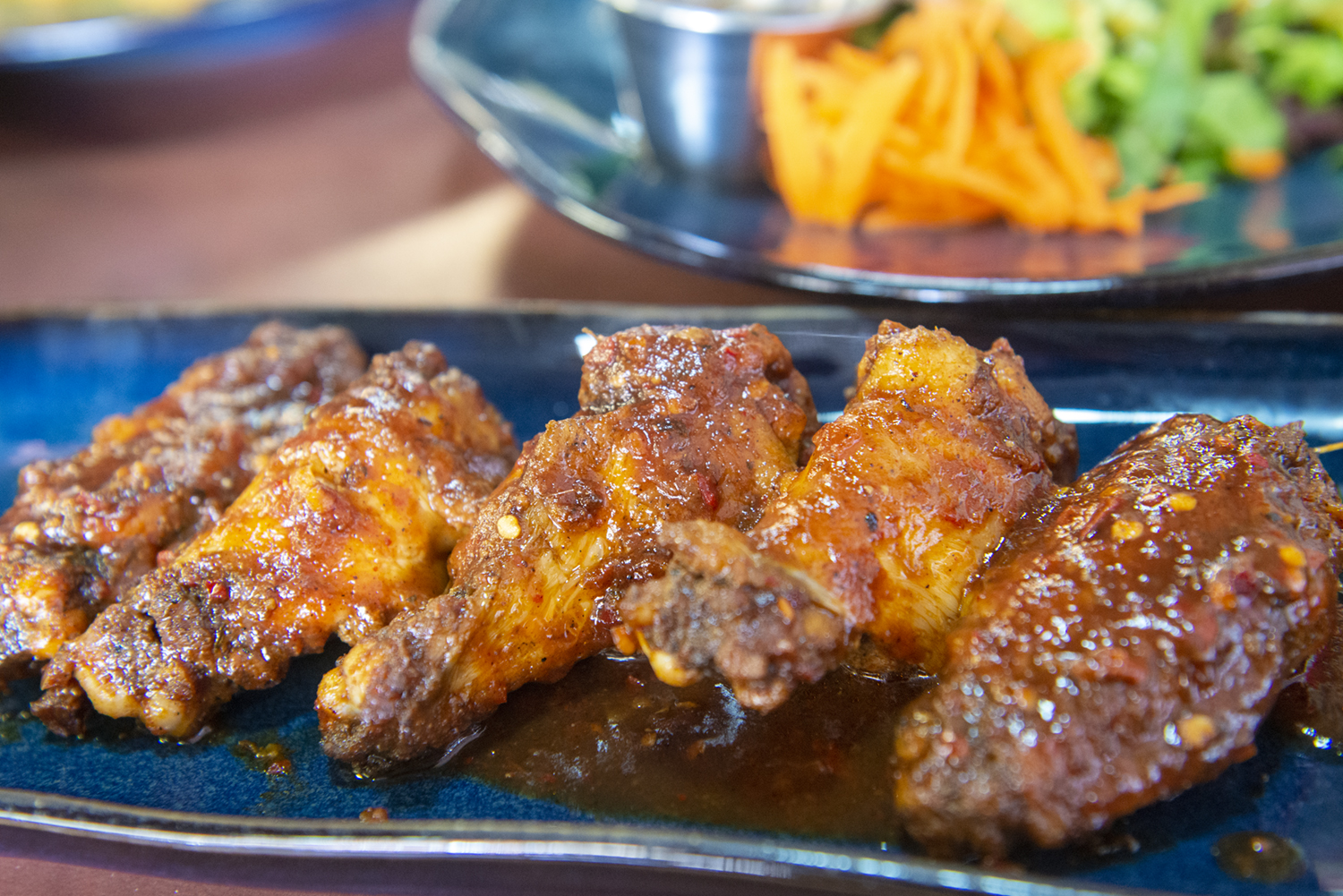
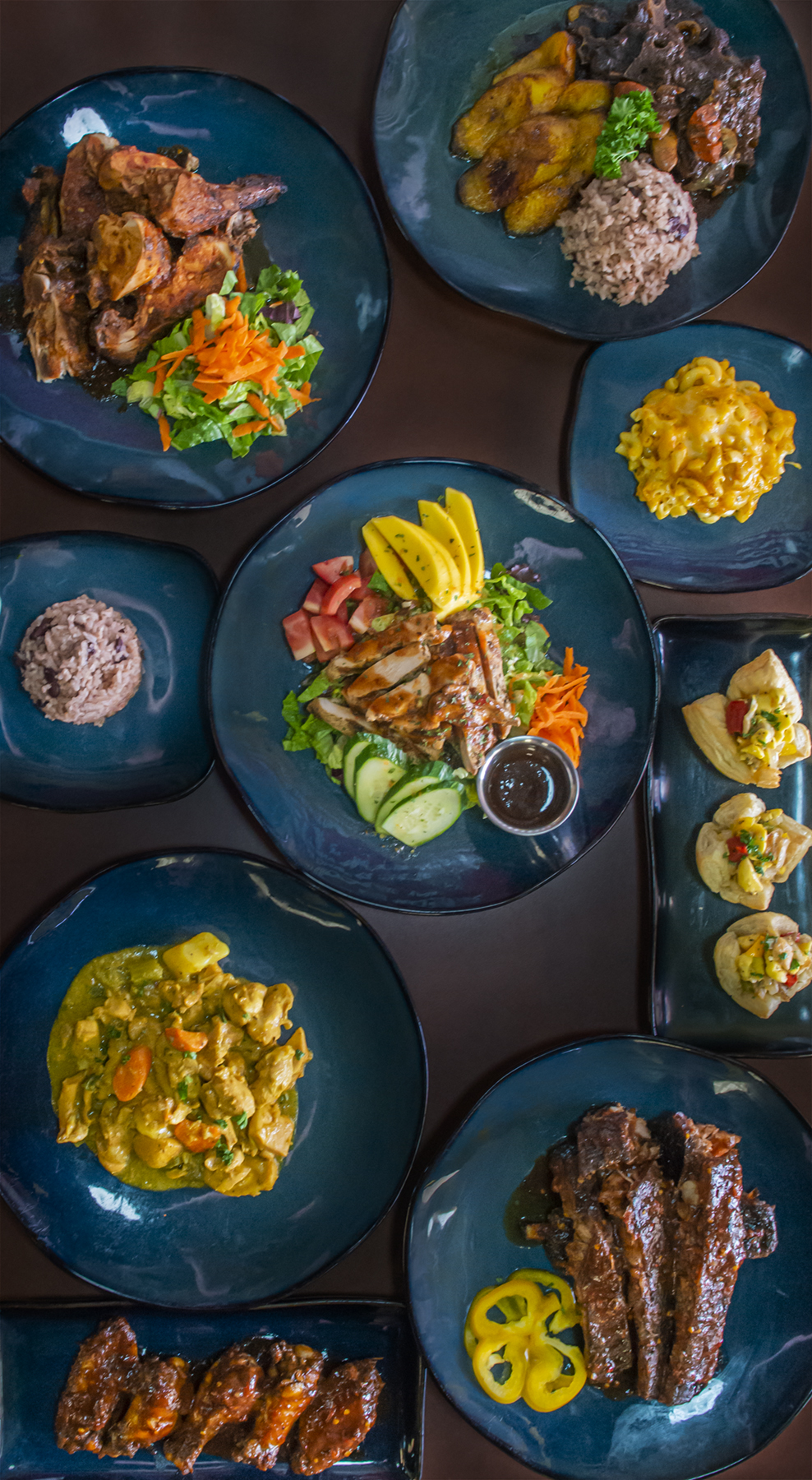
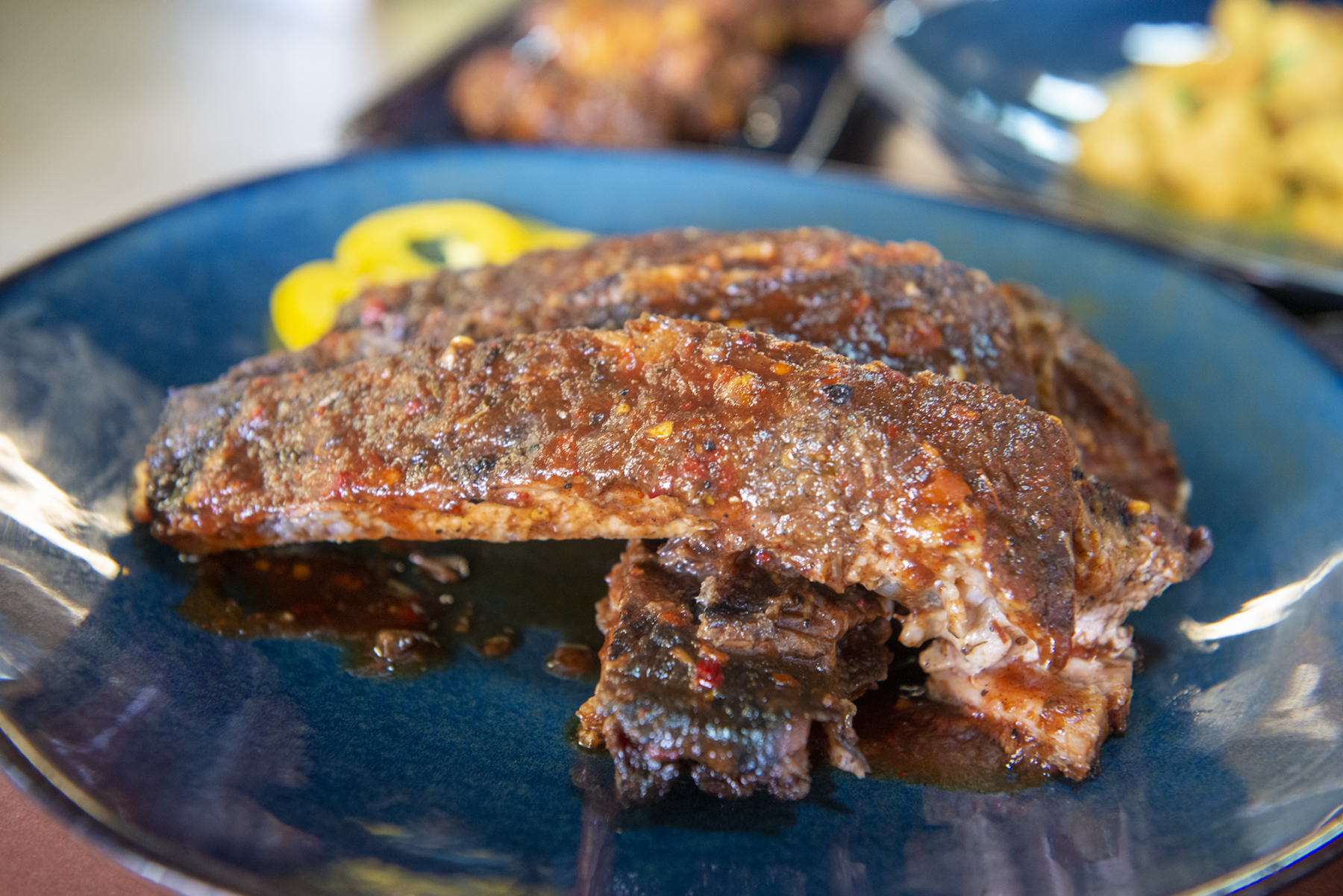
A centennial invites a particular kind of attention. Fifty years is memory. A hundred years is memory, migration, hardship, celebration, and adaptation layered so densely that food becomes one of the clearest ways to read the past. When people talk about a Caribbean food centennial, they are not talking about a single dish frozen in time. They are talking about a region whose cooking has carried the imprint of colonization, slavery, indentureship, maritime trade, local agriculture, religion, class, and climate for at least a century of profound change.
That is what makes Caribbean food so compelling. It does not sit still. It moves between islands and coastlines, between market stalls and hotel buffets, between family pots and export shelves. Yet for all that movement, many of its deepest flavors remain recognizable across generations. A cook from a century ago would understand the logic of allspice and thyme, the practical value of cassava, the comfort of a slow stew, the necessity of using every edible part of an animal or plant, and the social force of a meal prepared for many hands.
Looking at Caribbean food through a hundred-year lens reveals two stories at once. The first is continuity, the ingredients and techniques that have endured because they suit the land, the weather, and the people. The second is improvisation, the ways cooks adjusted to shifting economies, imported goods, labor patterns, and modern tastes without surrendering the identity of the table.
The region cannot be reduced to one cuisine
One of the most common mistakes outsiders make is speaking of Caribbean food as if it were singular. It is more accurate to think in families of cuisines linked by geography and history, yet distinct in accent, texture, and seasoning. Jamaican cooking does not taste like Trinidadian cooking. Haitian food follows a different rhythm from Bajan food. Cuban, Dominican, Puerto Rican, Martinican, Guadeloupean, Curaçaoan, and Guyanese kitchens each carry different combinations of African, Indigenous, European, Indian, Chinese, Middle Eastern, and local influences.
Even so, there are recurring themes that surface almost everywhere in the region. Starches matter. Rice, plantains, breadfruit, yam, sweet potato, green banana, cassava, and dumplings provide substance and satiety. Pepper is prized, though its use varies from aromatic warmth to punishing heat. Preservation techniques developed out of need, salting, smoking, pickling, curing, and drying in climates where refrigeration was once rare or absent. Coconut appears in forms both lush and practical, milk, oil, grated flesh, sweets. Seafood thrives where coasts and reefs support it, but inland and mountainous traditions can look very different, leaning harder into root crops, legumes, and livestock.
Spend enough time eating across the Caribbean and you begin to notice another truth. Texture is every bit as important as flavor. The crisp edge of a fried fritter, the soft collapse of a long-simmered bean, the chew of cassava flatbread, the yielding richness of braised oxtail, the flaky break of saltfish, these are not secondary qualities. They are part of the cultural memory of the meal.
A hundred years ago, necessity shaped the plate
If we imagine the Caribbean table around the 1920s, we need to resist romanticizing it. Food was vibrant, yes, but it was also shaped by limited access, unequal land ownership, unstable incomes, and the realities of colonial economies. Many households cooked from what was available locally, caribbean food centennial what could be grown in provision grounds, what could be bartered, or what could be preserved. Imported wheat flour, canned goods, and salted proteins were becoming more common in some places, but they sat alongside older foodways rather than replacing them overnight.
That historic period matters because many beloved dishes today emerged from thrift and discipline as much as from abundance. Saltfish became central in several islands not because it was glamorous, but because preserved cod could survive long transport and be stored longer than fresh fish. One-pot cooking had practical advantages, less fuel, fewer vessels to wash, easier feeding of larger households. Offal and tougher cuts, now celebrated in restaurants, were once simply the cuts many people could afford. Soup was not just comfort. It was economic intelligence.
In markets from Kingston to Port of Spain, from Bridgetown to Castries, women often stood at the center of food commerce and transmission. Recipes were not usually written down in the modern cookbook sense. They were observed, corrected, tasted, and remembered. Seasoning had less to do with measuring spoons than with touch and smell. If a pot needed more green seasoning, a cook knew it before a guest did. If cassava bread dried too long, someone adjusted the next batch. A century later, that sensory training still distinguishes the best Caribbean cooks.
The roots of flavor run deeper than colonial borders
To understand the food of this historic era, you have to look beyond maps. The Caribbean inherited Indigenous ingredients and techniques long before European empires redrew the region. Cassava, maize, peppers, sweet potatoes, and methods for processing and preserving local crops predate colonial rule. African influence transformed Caribbean cooking just as decisively, particularly in the treatment of okra, rice, leafy greens, stews, fritters, and spice combinations. Then came European methods and ingredients, Spanish sofrito traditions in some territories, French sauces and pastries in others, British salted imports and baking habits elsewhere.
The late nineteenth and early twentieth centuries brought additional layers through indentured labor systems, especially from India. That influence remains unmistakable in Trinidad and Tobago and Guyana, where roti, curry, channa, and doubles are not side notes but central expressions of national food identity. Chinese migration added its own imprint through stir-frying techniques, seasoning habits, and shop culture. In parts of the region, Syrian and Lebanese communities also shaped commerce and food availability.
These influences did not blend into a bland middle. They stayed vivid. That is one reason Caribbean food can feel so alive. A single island meal may carry Indigenous crops, African technique, Indian spice logic, and European preservation habits without any of it feeling academic. It simply tastes like home.
Signature dishes tell the century’s story
Take jerk, often treated abroad as a shorthand for Caribbean food, especially Jamaican food. Its fame is deserved, but the simplified version sold internationally often strips away its historical depth. Real jerk sits at the intersection of maroon survival, smoke preservation, allspice wood, fresh thyme, scallion, Scotch bonnet, and careful fire management. Good jerk is not just hot. It is aromatic, woody, and balanced. It tastes of place.
Or consider pelau, a dish whose appeal lies in economy and layering. Rice, peas or pigeon peas, coconut milk in some versions, meat browned with sugar, herbs, stock, sometimes pumpkin or carrots, all cooked into one pot. It is the kind of dish that teaches you what a cuisine values. Not luxury in the narrow sense, but depth built from ordinary ingredients.
Callaloo offers another lesson. Depending on where you are, the word may refer to different leaves, different soups, or different textures. Trinidadian callaloo often becomes a velvety pot of dasheen bush, okra, coconut milk, aromatics, and crab or salted meat. Elsewhere, related greens dishes follow their own paths. What they share is a trust in leaves and long cooking, and a refusal to treat vegetables as an afterthought.
Across the Spanish-speaking Caribbean, rice and beans are less a dish than a daily grammar. Moro, congri, arroz con gandules, habichuelas guisadas, these are not interchangeable, yet they arise from the same principle that staple foods become memorable only when seasoned with seriousness. Sofrito, culantro, oregano, tomato, garlic, rendered fat, a bay leaf, these details decide whether the plate feels routine or soulful.
If there is a dish that captures the centennial mood of endurance and festivity together, it may be soup. Saturday soups, holiday soups, medicinal soups, fish teas, goat soups, sancocho variations, all are woven into Caribbean social life. They feed large groups, stretch ingredients, and suit climates where sweating over a hot bowl can still feel restorative. I have eaten remarkable soups in roadside settings where the recipe was discussed less in terms of ingredients than in terms of patience. “Leave it to come together,” one cook told me years ago while skimming a pot. That phrase explains much of the region’s cooking.
The market was, and still is, an archive
For anyone trying to understand Caribbean food across a hundred years, markets are more revealing than menus. A menu shows what a cook wants to present. A market shows what a community truly uses. Breadfruit piled beside green bananas, Scotch bonnets sold by the handful, bunches of thyme, cassava stacked with yams, fresh coconut waiting to be cracked, small fish on ice, larger fish cleaned to order, spices portioned in old jars or folded paper, cane syrup, tamarind, sorrel, pigeon peas, chadon beni in Trinidad, epazote-like local herbs in places where language blurs exact botanical parallels, all of it speaks to continuity.
Markets also reveal how the last century changed Caribbean eating. Imported onions may sit next to local scallions. Packaged snacks coexist with bush medicine herbs. Powdered seasonings share shelf space with fresh spice pastes. You can see where convenience gained ground, and where it still loses to the taste of something made by hand.
One of the more striking shifts over the past hundred years is the changing status of ingredients once considered humble. Breadfruit, for example, has gone from practical starch to ingredient of renewed culinary interest. Cassava, too, now appears in polished dining rooms in forms that would have puzzled earlier generations who knew it mainly as a staple and survival crop. This revaluation can be positive, especially when it supports farmers and preserves agricultural knowledge. But it also creates tension. A food is not automatically honored simply because it reaches a white tablecloth.
Festival food and everyday food often trade places
In many Caribbean households, the line between special occasion food and ordinary food is flexible. The same family may reserve certain preparations for Sundays, weddings, Christmas, Carnival, Easter, or funerals, yet the ingredients involved are often familiar year-round. Black cake, sorrel drink, ham, pastelles, and rich breads gain ceremonial weight because of timing and labor. Goat water, pepperpot, puddings, curries, and roasted meats can move between celebration and routine depending on means, season, and community custom.
That fluidity matters when talking about a historic era. Food traditions survive not merely because they are delicious, but because they attach themselves to moments people refuse to lose. A grandmother’s Christmas cake recipe survives family migrations more stubbornly than some spoken stories. A soup associated with All Saints or a specific market day keeps its place because ritual protects it.
There is also a practical side. In the early and mid twentieth century, special occasions justified labor-intensive cooking in households where daily work was already heavy. If a pig was slaughtered, many parts were used in different ways. If a community gathered, larger pots made sense. If imported ingredients were expensive, they were saved for visible moments. Celebration often sharpened thrift rather than suspending it.
Tourism changed the story, but not always for the better
By the later twentieth century, tourism had become a major force in many Caribbean economies, and food inevitably adapted. Hotels and resorts created demand for dishes that could be explained quickly to visitors. Some local foods gained new recognition and income. Others were flattened into caricature, made sweeter, milder, or more familiar to foreign palates. There is a reason many travelers think Caribbean food is mostly jerk chicken, rum punch, and grilled seafood. Those items travel well as symbols. They do not represent the full table.
I have seen this tension in restaurant kitchens and food festivals. The dish that earns applause from international guests is not always the dish older locals care about most. A deeply traditional preparation may require too much time, too many bones, too much heat, or too much explanation for a tourism-driven setting. So it gets sidelined by cleaner presentations and easier narratives.
Still, the tourism era has not been uniformly damaging. It has also funded culinary schools, improved product visibility, and encouraged some chefs to research and reinterpret national dishes with seriousness. The best of this work does not imitate European fine dining with Caribbean ingredients sprinkled on top. It starts from the region’s own logic, seasonality, acidity, smoke, pepper, starch, communal eating, and then refines without erasing.
Migration carried the century abroad
A true Caribbean food centennial cannot stay within the islands. Over the last hundred years, migration carried these cuisines into London, Toronto, New York, Miami, Amsterdam, and beyond. That movement did more than spread recipes. It changed them.
Diaspora cooks learned to substitute. Scotch bonnet might be harder to find, so habanero stepped in. Certain leafy greens gave way to spinach or collards. Fresh cassava might be replaced by frozen or processed forms. Saltfish remained, but not always the same brand or cure. These substitutions matter because they show that authenticity is often a matter of principle rather than perfect replication. The principle is balance, aroma, heat, memory, and generosity, not a fantasy of untouched purity.
Migration also widened the audience. Dishes once confined to community gatherings became part of city street food culture. Roti shops, jerk stands, patty bakeries, Dominican lunch counters, Cuban cafeterias, and Haitian restaurants became both livelihood and cultural embassy. In many cities, second-generation cooks now face a familiar question: preserve exactly, or interpret. The strongest answers usually do both.
Why old techniques still outperform shortcuts
Modern kitchens offer speed, but speed is not always the friend of flavor. Caribbean food from a century ago depended on techniques that remain hard to beat. Fresh spice pastes penetrate meat differently from bottled sauces. Browning sugar for stews creates bitterness and sweetness that no shortcut replicates exactly. Coconut milk squeezed from fresh grated coconut has a different body from canned versions, though canned can be perfectly serviceable when fresh is impractical. Soaking, salting, and simmering are not relics. They are methods with sensory results.
That does not mean caribbean food centennial nostalgia should rule the kitchen. Some older practices were born of constraint, not superiority. A pressure cooker can produce excellent peas and tougher cuts while saving fuel and time. Refrigeration improves food safety. Modern mills and processors reduce labor that once fell heavily on women and girls. The smart cook knows when technique is essential and when adaptation is sensible.
The judgment call often comes down to what the dish is asking for. A weeknight rice dish may not need hand-ground spice. A ceremonial pot of soup probably benefits from the extra care. Many professional Caribbean cooks I respect reserve full traditional treatment for dishes where the difference will be obvious, and use modern efficiencies elsewhere. That is not compromise. That is craftsmanship.
The centennial lens sharpens what is at risk
Looking back across a hundred years also raises harder questions. What happens when climate volatility affects breadfruit yields, fisheries, or rainfall patterns? What happens when younger generations know the taste of packaged seasonings better than fresh green seasoning? What happens when imported processed food undercuts local produce on price and convenience?
These are not abstract concerns. Across the Caribbean, public health conversations increasingly intersect with culinary heritage. Traditional diets were never uniformly ideal, but many relied more heavily on root crops, legumes, greens, and home cooking than some modern eating patterns do. The replacement of fresh preparations with highly processed foods has health costs, and it can also thin out culinary memory.
There is a related agricultural concern. Some heirloom varieties and local growing practices survive only because older farmers and market vendors still maintain them. Once that chain breaks, reviving it becomes expensive and uncertain. Food heritage cannot be preserved only in restaurants. It needs farms, fisheries, backyard gardens, market systems, and family cooks.
What the next century should preserve
If there is one lesson in this historic survey, it is that Caribbean food has never depended on rigid purity. Its strength lies in resilience with character. It absorbs influence without becoming anonymous. It values bold flavor, but not for spectacle alone. It remembers scarcity without being defined by it.
The most important things to preserve are not only recipes, though recipes matter. It is the cooking intelligence behind them. Knowing how to season by smell. Knowing when a dough is too tight. Knowing which pepper brings fruitiness rather than brute force. Knowing that a Sunday meal is partly about food and partly about attendance. Knowing that a market seller’s advice about ripeness can improve a dish more than any written formula.
A true Caribbean food centennial is not a museum label. It is a living inheritance. It asks us to respect old methods where they still serve flavor, to recognize the labor that built beloved dishes, to protect the crops and cooks that carry tradition forward, and to allow the cuisine to keep evolving on its own terms.
That is the real pleasure of discovering the flavors of this historic era. You are not tasting a closed chapter. You are tasting a century of adaptation still unfolding, one pot, one market, one family table at a time.
Reggae Pot Jamaican Grill
Address: 7562 S University Blvd Unit C, Centennial, CO 80122
Phone: (303) 997-5623
FAQ About caribbean food centennial
What Jamaican dishes can I try in Centennial?
Reggae Pot Jamaican Grill serves Jamaican specialties such as jerk chicken, stewed oxtail, curry goat, and ackee and saltfish. Check the current menu for availability.
What is ackee and saltfish?
It is Jamaica’s national dish. The restaurant prepares ackee with salted cod, onions, thyme, tomatoes, garlic, black pepper, and pimento.
Can I order Jamaican food for pickup in Centennial?
Yes. Choose the Centennial location at 7562 S University Blvd Unit C when placing a takeout order.
❧