November 19, 2026
A Century on the Plate: Caribbean Food Centennial Highlights
By @andresvile372
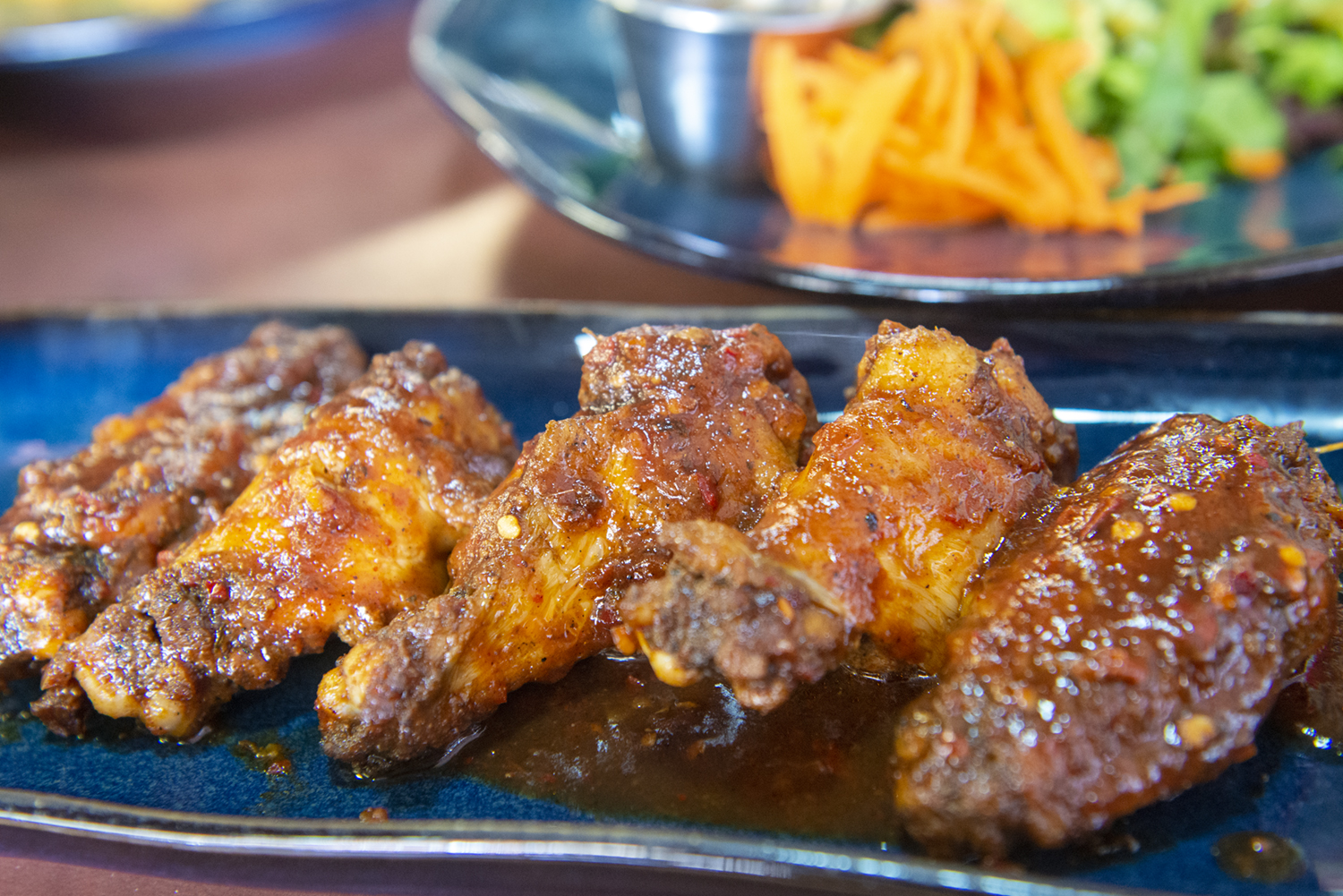
A hundred years is a useful span for thinking about food. It is long enough for recipes to migrate, disappear, split into regional variations, and then return in new form. It is also short enough that memories still matter. Grandparents can describe market days from the 1940s. Family ledgers still carry cake formulas written in fading ink. Restaurants founded in the middle of the last century still serve dishes that began in plantation yards, fishing villages, roadside cookshops, and urban tenement kitchens.
Looking at a caribbean food centennial is not only an exercise in nostalgia. It is a way to trace how the region fed itself through colonial legacies, migration, tourism, war rationing, import dependence, agricultural change, and an ongoing negotiation between pride and practicality. Caribbean food has never been static. It has always been layered, adaptive, and intensely local, even when the ingredients arrived from somewhere else.
What stands out over the past century is not one single cuisine but a pattern. The region took hardship, abundance, memory, and movement, then translated them into meals with remarkable personality. The result is a food culture that can feel familiar across islands and coastlines while still being fiercely specific from one place to the next.
The century begins in provision grounds and port towns
At the start of the twentieth century, much of Caribbean eating still revolved around what people could grow, catch, preserve, trade, or carry home from market. Starchy staples mattered because they were dependable. Ground provisions such as yam, cassava, sweet potato, dasheen, and green banana fed households when cash was scarce. Saltfish remained central because preservation made it transportable and relatively affordable. Rice, flour, sugar, and salted meats moved through colonial trade networks and became ordinary pantry items.
This period also sharpened one of the most defining characteristics of Caribbean food, the blending of foodways born from unequal histories. African culinary knowledge shaped methods of stewing, seasoning, frying, and provision cookery. Indigenous influence persisted through cassava, pepper sauces, and local plant use. European colonization altered livestock, wheat consumption, and baking traditions. Indian indentureship transformed spice use, flatbreads, curries, and ways of seasoning legumes and vegetables. Chinese migration added noodle techniques, stir frying, and small shop culture. Syrian and Lebanese merchants influenced retail food economies in parts of the region. None of this mixing was neat or balanced, and much of it came through violence or economic pressure. Still, the kitchen turned encounter into flavor.
In practical terms, the early decades of the century were shaped by thrift. A pot had to stretch. Soup often functioned as dinner, medicine, and weekly ritual at once. Fish heads, pig tails, chicken backs, breadfruit, and split peas were not “heritage ingredients” then. They were what people had. Many celebrated dishes now sold to visitors with polished descriptions grew from this economy of necessity.
Seasoning became identity
Ask experienced Caribbean cooks what separates an average meal from a memorable one, and many will answer with some version of the same idea: seasoning is where the dish begins. Over the past hundred years, green seasoning, wet marinades, curry bases, spice pastes, pepper blends, and browning techniques moved from household instinct into shared culinary identity.
That matters because Caribbean food is often misunderstood by outsiders who focus only on heat. Pepper is important, certainly, but flavor building is the deeper story. Culantro, thyme, scallion, garlic, pimento, ginger, onion, chadon beni, allspice, citrus, and fresh herbs do as much work as chilies. In one kitchen a cook rubs fish with lime and salt before seasoning it. In another, a curry is “burned” in oil to wake the spices before liquid is added. Elsewhere, sugar is taken nearly to the edge of bitterness to create a dark browning for stew. These are not decorative gestures. They are fundamental techniques developed and refined over generations.
Over the century, these methods became portable. Migrants carried bottled sauces, homemade seasoning mixes, and muscle memory with them. A Jamaican family in London, a Trinidadian family in Toronto, a Bajan family in Brooklyn, or a Haitian family in Miami could reconstruct home by beginning with the scent of sautéed onion, thyme, and garlic. The pantry traveled even when the landscape did not.
Rice, roti, and grounds: the starches that anchored the table
If one were to map the past century of Caribbean meals through starch alone, the story would be surprisingly revealing. Rice expanded in reach and became indispensable across much of the region, especially in urban households. Imported flour supported breads, bakes, dumplings, and pastries. Yet ground provisions never vanished, even when they were pushed aside by convenience or changing aspirations.
Roti deserves special attention in any caribbean food centennial discussion because it shows how a transplanted form can become fully Caribbean without losing its roots. In Trinidad and Tobago, Guyana, and nearby communities, roti evolved into a complete meal architecture. The type of skin, whether sada, dhalpuri, paratha, or buss up shut, changed the eating experience. So did the filling, from curried chickpeas and potato to goat, chicken, shrimp, or pumpkin. There is technique involved that outsiders often underestimate. A properly made dhalpuri needs tenderness without tearing. A good buss up shut requires skill in layering, oiling, and beating the cooked roti into its characteristic ragged folds. These are crafts.
At the same time, breadfruit remained one of the region’s most versatile survivors. Roasted, boiled, fried, mashed, or turned into chips and flour, it has repeatedly resurfaced in moments when local food security returned to public debate. Cassava followed a similar arc. For years it could be dismissed as old fashioned or associated with poverty. Then chefs, nutrition advocates, and farmers began reintroducing it through bammy, pone, farine, cassava fries, and gluten free applications. That pattern, neglect followed by rediscovery, appears often in the last hundred years of Caribbean eating.
Street food changed the social life of eating
The Caribbean did not only build its food culture in private kitchens. It built it on sidewalks, at school gates, near transport hubs, and beside beaches. Street food became one of the great democratic engines of flavor during the twentieth century. It was accessible, improvisational, and closely tied to working life.
Throughout the region, vendors sold patties, doubles, bake and shark, grilled corn, pholourie, accras, fish cakes, conch fritters, coconut bread, black pudding, fried plantain, and soups ladled straight from large pots. In many places, the late night street food scene became as important as formal dining. A city could be read by what appeared after dark: skewers over charcoal, bubbling oil, chow dressed with lime and pepper, or shellfish cooked to order on a steel pan.
The endurance of street food tells us something important about Caribbean taste. People value freshness, seasoning, and speed, but not at the expense of personality. The best street vendors are remembered by details. One makes a tamarind sauce with more clove than usual. Another cuts shark thicker than the stall next door. Another adds extra cucumber chutney only if asked in the right way. These micro reputations sustain food memory better than official campaigns ever could.
Street food also reflects trade-offs. It preserves traditional flavors, but rising ingredient costs and urban regulation can make vending precarious. Tourism can boost visibility, but it can also flatten complexity. A dish adjusted for a visitor’s expectations may sell well while drifting away from its sharper, more local form. That tension has shaped many Caribbean foods over the last century.
The great pot dishes that carry history
No survey of centennial highlights would be credible without lingering over the dishes that dominate family gatherings and public celebrations. Across the region, there are monumental pot dishes that do social work beyond feeding.
Pelau, cook-up rice, rice and peas, callaloo, oil down, sancocho, mannish water, pepperpot, joumou, seafood rundown, and escovitch preparations all belong in this conversation, though each comes from a different place and carries a different story. What unites them is depth. They gather ingredients that might seem ordinary in isolation and transform them through layering and time.
Take pelau, a classic example of judgment cooking. The browning stage is decisive. Too light, and the dish lacks depth. Too dark, and bitterness takes over. The balance of pigeon peas, meat, coconut milk, and rice has to be right for the pot size, the grain, and the heat source. Good cooks make tiny adjustments without announcing them, a little more stock here, a longer steam there. Recipes can outline the process, but experience usually decides the result.
The same is true of callaloo. It can look simple to anyone who sees only green leaves and coconut milk. Yet texture is everything. Overblend it and the dish loses life. Underseason it and it tastes flat. Add crab for sweetness and body, and it shifts again. Similar dishes appear across the region, but no two communities approach them exactly the same way.
These large-format foods also capture one of the great truths of Caribbean cooking: celebration and economy often sit in the same pot. A feast dish may be rich and abundant, but it is usually built on traditions of stretching ingredients, using every part wisely, and cooking for many.
Migration reshaped the menu without erasing home
One of the most important culinary developments of the twentieth century was migration. Caribbean people moved within the region and outward to Britain, North America, and beyond. Their food moved too, though not always intact. Ingredients were missing, climates changed what could be grown, and tastes adapted to new markets.
This is where the history gets especially human. A woman in the 1960s might arrive in New York and discover that the scallion tastes different, the goat is more expensive, and the cassava is available only in certain neighborhoods. So she substitutes, adjusts, and teaches her children a version of home built from what can be found. A man in London learns to preserve a sorrel tradition through dried hibiscus and careful shopping. A Guyanese cook in Toronto negotiates winter with frozen bora and imported mangoes that never quite match what grew back home. These substitutions are not failures. They are part of the culinary record.
Migration also professionalized Caribbean food in new ways. Bakeries, rum shops, takeaways, family restaurants, and small groceries became cultural anchors in diaspora communities. Patties, jerk chicken, roti, and curry goat gained recognition far beyond Caribbean neighborhoods. Sometimes popularity came at a cost. Signature dishes were simplified, sweetened, or toned down for wider audiences. Still, visibility mattered. A cuisine once dismissed as too rustic or too spicy began to claim space.
Hotels, cruise ports, and the problem of performance
Tourism has fed the Caribbean economy for decades, and it has also changed how Caribbean food is presented. Hotel menus once leaned heavily toward European and North American expectations, often treating local food as occasional entertainment rather than daily excellence. This was common well into the mid twentieth century and persisted in many places longer than it should have.
There has been progress. More chefs, restaurateurs, and hospitality programs now recognize local ingredients and techniques as assets rather than compromises. Breadfruit can appear beside snapper in a serious dining room without apology. Cassava, christophene, plantain, tamarind, and local herbs are increasingly treated as worthy of craft and nuance. Rum pairings are better understood. Regional seafood cookery is taken more seriously.
Yet the problem of performance remains. There is still a tendency in some tourist settings to package Caribbean food as spectacle: extra color, extra sweetness, extra heat, extra “authenticity” staged for effect. That can obscure the everyday intelligence of the cuisine. The best Caribbean cooking is often not flamboyant. It is balanced, intuitive, and deeply rooted in place.
A more mature approach has started to emerge over the last two decades, one that values provenance, seasonality, and regional distinction. That shift may become one of the most significant late-century developments if it continues.
Ingredients that rose, fell, and rose again
Over a hundred years, certain foods moved in and out of favor for reasons that had little to do with taste. They were shaped by class aspiration, colonial ideas about modernity, agricultural policy, and imported convenience foods.
A few stand out:
- Breadfruit, once stigmatized in some circles as poor people’s food, has returned as a respected staple and a serious ingredient for chefs, home cooks, and food security advocates.
- Cassava followed a similar path, moving from subsistence associations to renewed interest in traditional cassava breads, flours, and snacks.
- Saltfish, long a practical preserved protein, became both comfort food and premium item as tastes and prices changed.
- Offal and less fashionable cuts, from pig tails to chicken foot, never truly disappeared, but they have gained fresh appreciation among cooks interested in flavor and thrift.
- Local cocoa, coffee, and spices, often overshadowed by export systems that rewarded raw commodity sales, are increasingly being reclaimed through artisanal production.
These returns are not just trendy revivals. They reflect a wider regional conversation about resilience. Imported food can be necessary, but overreliance comes with cost, both economic and cultural. Revaluing local crops is one response.
The sweet table tells its own story
Desserts and festival baking often receive less historical attention than savory food, which is a mistake. Sweets preserve migration routes, holiday calendars, and family identity with unusual clarity. Black cake, cassava pone, coconut drops, tablet, tamarind balls, grater cake, sweet bread, guava duff, duckunoo, and spice buns each mark a different path through the Caribbean century.
Black cake is perhaps the caribbean food centennial clearest example of continuity through adaptation. The fruit soaking tradition varies from household to household. Some use rum heavily. Others add wine, cherry brandy, or local liqueurs. The texture can run dense and almost fudgy or lighter and more aerated. The recipe itself often functions as inheritance. Few experienced bakers consult a written formula every time. They know by smell when the browning is right and by wrist weight when the batter is close.
Sweet bread and coconut bakes tell a more everyday story. They belong to ordinary mornings and market purchases, not only holidays. Their significance lies in repetition. A century of Caribbean food was built as much by what people ate between celebrations as by what they served at Christmas or Carnival.
What the last twenty years have added
Recent decades have brought a new layer to the centennial picture. Social media increased visibility, though not always with accuracy. Young chefs have become more explicit about research, sourcing, and culinary storytelling. Farmers’ markets, food festivals, and regional cookbooks have helped document traditions that once lived mostly through oral transmission.
There is also more openness now about difficult histories. Conversations about slavery, indentureship, labor exploitation, and land access are shaping how food is interpreted. That is healthy. Caribbean cuisine becomes more meaningful, not less, when the context is acknowledged.
At the same time, practical challenges remain serious. Climate pressure affects fisheries, fruit harvests, and root crop reliability. Imported food often undercuts local production on price or convenience. Younger people may know signature dishes but not the techniques behind them. Once a generation stops making something at home, recovery gets harder. Recipes can be written down, but touch is more elusive.
For cooks, educators, and food businesses thinking about the next century, a few priorities are clear:
- Teach technique, not only recipes. Browning sugar, balancing acidity, handling provisions, and seasoning properly are the foundations.
- Support local growers and fishers where possible, because cuisine weakens when raw materials disappear.
- Document elders while they are still cooking, especially the unwritten adjustments that never make it onto recipe cards.
- Resist flattening the region into one generic “island flavor.” Specificity is a strength.
- Make room for innovation that respects structure, rather than novelty for its own sake.
A living archive on every table
What makes the Caribbean century on the plate so compelling is that the story is still edible. It is present in a bowl of soup sold from a roadside pot at dawn. It is present in the crackle of fried fish, the perfume of thyme rising from rice, the stained wooden spoon used for stew after stew, year after year. It is present in arguments over whose callaloo is correct, which market has the best mangoes, whether a roti skin is too thick, or how much pepper a dish should truly hold.
That living quality sets Caribbean food apart from heritage narratives that freeze cuisine in a museum pose. Here, the archive is active. People are still negotiating it in real time. A grandmother insists on one method, a chef modifies it for a tasting menu, a street vendor cuts a corner because cooking gas is expensive, and a migrant family keeps the spirit of the dish while swapping half the ingredients. All of those choices become part of the record.
Seen through a centennial lens, the most remarkable achievement is not that Caribbean food survived. It is that it remained so vivid while carrying so much history. It absorbed rupture without losing voice. It turned scarcity into craft. It welcomed influence without surrendering identity. It fed workers, mourners, revelers, schoolchildren, churchgoers, market traders, and entire diasporas. That is no small culinary accomplishment.
A century on the plate reveals a cuisine that is both ancestral and unfinished. Its highlights are not only the famous dishes, though they deserve their praise. Its real triumph lies in the habits behind them: seasoning with confidence, cooking with memory, and making a meal that tastes unmistakably of place. For anyone paying close attention, that is the enduring lesson of the caribbean food centennial.
Reggae Pot Jamaican Grill
Address: 7562 S University Blvd Unit C, Centennial, CO 80122
Phone: (303) 997-5623
FAQ About caribbean food centennial
What Jamaican dishes can I try in Centennial?
Reggae Pot Jamaican Grill serves Jamaican specialties such as jerk chicken, stewed oxtail, curry goat, and ackee and saltfish. Check the current menu for availability.
What is ackee and saltfish?
It is Jamaica’s national dish. The restaurant prepares ackee with salted cod, onions, thyme, tomatoes, garlic, black pepper, and pimento.
Can I order Jamaican food for pickup in Centennial?
Yes. Choose the Centennial location at 7562 S University Blvd Unit C when placing a takeout order.
❧